
Business
Horizons Middle East & Africa 11/5/2026 (Video)
By Katherine Langford
Advertisement · Why this ad?
Katherine oversees editorial operations across all six brands. Before joining The Meridan Group, she spent 14 years at the Minneapolis Star Tribune, where she led the metro desk through its digital transformation. She holds a Master's in Journalism from Northwestern's Medill School.
More from Katherine →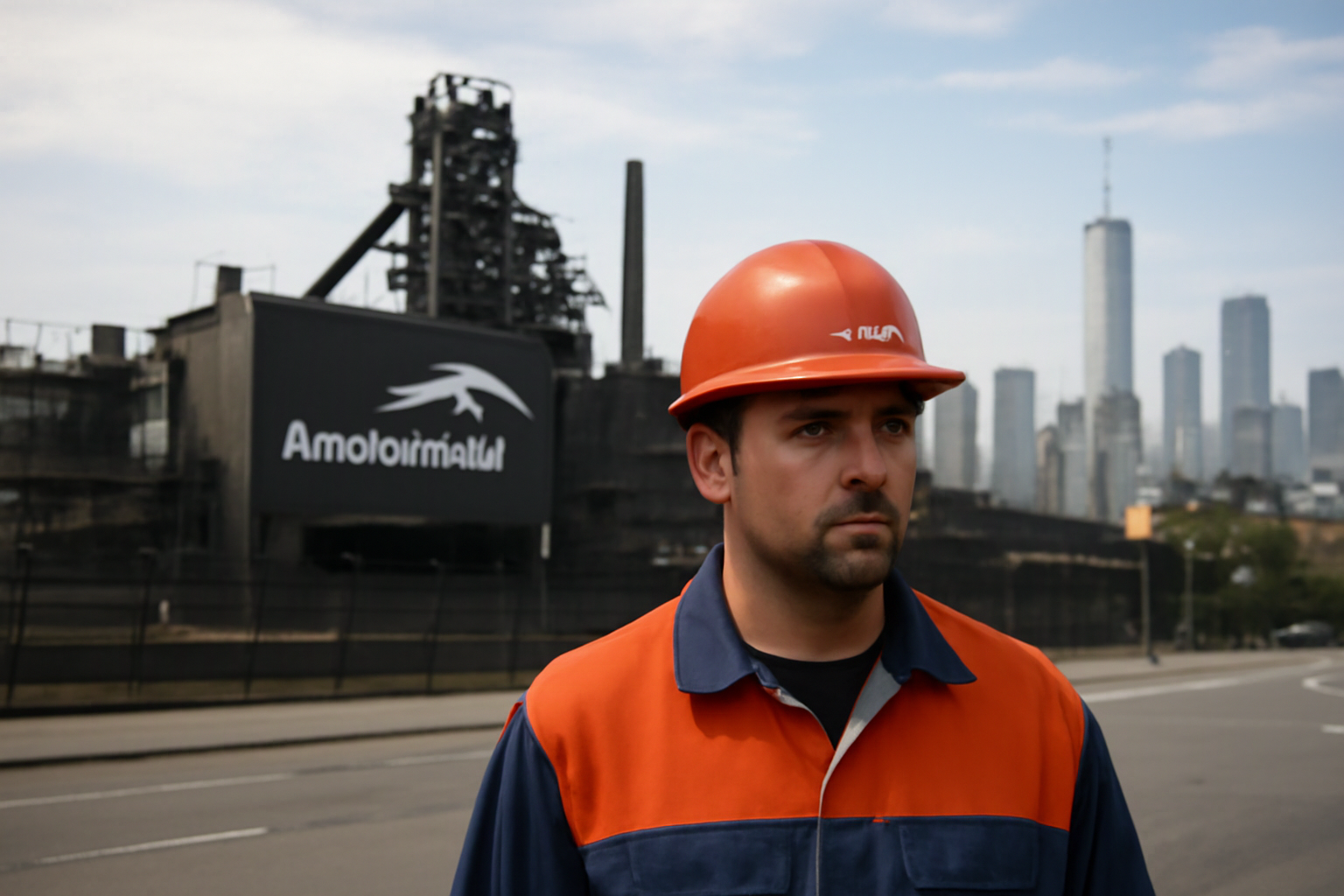
On a brisk autumn morning in New York City, the bustling streets are filled with the sounds of honking taxis and the chatter of commuters. Among them is Maria, a steelworker at one of the local manufacturing plants. Her husband, Tom, also works in the industry, and together they have built a life rooted in hard work and commitment. As they sip their morning coffee, the couple reflects on the recent changes in the steel market, particularly the impact of the European Union's new trade regulations on their livelihood.
ArcelorMittal SA, the world's largest steel producer, recently reported its third-quarter earnings, which came in just above expectations. This development provides a glimpse into how the European Union's tougher steel curbs are influencing the industry. The company’s profits have seen a notable boost, attributed to these new regulations aimed at curtailing imports and protecting domestic production.
The EU's trade measures, which have been in place since early 2023, seek to limit the influx of cheaper steel from non-EU countries. This has created a more favorable environment for companies like ArcelorMittal, allowing them to increase their prices and improve their margins. The company reported earnings of $2.3 billion for the third quarter, a 15% increase compared to the previous year. This uptick signals a resilient response to regulatory pressures and market dynamics.
Investors have responded positively, with shares of ArcelorMittal rising by 5% following the earnings announcement. The company's ability to navigate the complexities of international trade while maintaining profitability demonstrates its robust operational strategies. Analysts are now closely monitoring how these developments will play out in the coming months, especially as the EU continues to refine its approach to trade.
For workers like Maria and Tom, the news from ArcelorMittal is a double-edged sword. While the company's profit increase is encouraging, it also raises concerns about job security and the future of their industry. Many in the community are hopeful that the protective measures will lead to a more stable job market, but there are lingering fears about the long-term effects of such regulations.
Local unions have been vocal in their support for ArcelorMittal's efforts to navigate the new trade landscape. Union leader James McCarthy emphasized the importance of protecting American jobs in the steel industry. "We need to ensure that our workers are not only protected but also given opportunities for advancement as the market evolves," he stated during a recent town hall meeting. This sentiment is echoed by many union members who believe that the regulations should also include provisions for workforce training and development, ensuring that workers can adapt to the changing demands of the industry.
The ripple effects of ArcelorMittal's earnings report extend beyond the boardroom. Families in the community are acutely aware of the stakes involved. The steel industry is not just a source of employment; it is a lifeline for many households. As Maria noted, "Every job in the steel sector supports families and communities. We need to see these profits translate into job security and growth opportunities for everyone involved." This sentiment resonates deeply among her peers, who share a commitment to their work and the stability it brings.
In neighborhoods where steelworkers live, the local economy is heavily dependent on the health of the steel industry. Small businesses, from corner stores to family-owned restaurants, often thrive on the patronage of steelworkers and their families. Tom, who has worked as a steelworker for over a decade, shared, "When the steel industry is strong, our whole community benefits. It's not just about the jobs; it's about the schools, the parks, the local businesses that rely on us." This interconnectedness highlights the importance of the steel industry not just as a job provider but as a cornerstone of the local economy.
The implications of ArcelorMittal's profit surge extend beyond the immediate community. The steel industry plays a crucial role in the broader economic landscape of New York City and the United States. With the construction sector rebounding post-pandemic, there is an increasing demand for steel in infrastructure projects, housing developments, and renewable energy initiatives. As the city invests in modernizing its infrastructure, the need for domestically produced steel becomes even more critical.
Moreover, the EU's trade regulations are part of a larger global trend towards protectionism in various industries. This shift raises questions about the balance between protecting domestic jobs and maintaining healthy international trade relations. The potential for retaliatory measures from other countries could lead to a complex web of trade negotiations that may affect not only the steel industry but also other sectors reliant on global supply chains.
Looking ahead, the future of the steel industry in New York and beyond will depend on how ArcelorMittal and other producers adapt to the changing trade environment. Analysts predict that if the EU continues to enforce strict trade barriers, domestic producers may experience sustained growth. However, this could also lead to increased tensions with trading partners who may retaliate against such measures.
The next few quarters will be critical for ArcelorMittal as it navigates these challenges. The company's leadership has indicated plans to invest in new technologies and processes to enhance production efficiency. This commitment to innovation is essential in maintaining competitiveness in a global market that is constantly evolving. Furthermore, as sustainability becomes a priority, ArcelorMittal is exploring ways to reduce its carbon footprint, which could open new avenues for growth and align with global environmental goals.
Community leaders are also advocating for policies that support not only the industry but also the workers. Local government officials are being urged to collaborate with steel manufacturers to create job training programs aimed at equipping workers with the skills needed for the future. This proactive approach could help mitigate the fears surrounding job security and ensure that the workforce remains competitive in an ever-changing market.
As the autumn leaves fall in New York City, the steel industry stands at a crossroads. The recent profit boost for ArcelorMittal is a testament to the resilience of the sector amidst regulatory changes. For families like Maria and Tom's, the hope is that these developments will lead to lasting job security and a brighter future. Community leaders and workers alike are watching closely, ready to advocate for policies that support not only the industry but also the families that depend on it. The road ahead may be uncertain, but the commitment to hard work, family, and faith remains steadfast in the hearts of those who call this city home.
By Katherine Langford

By Marcus Chen

By Marcus Chen

By Marcus Chen