
Technology
The 7 Best Early Black Friday TV Deals (2026)
By Marcus Chen
Advertisement · Why this ad?
Katherine oversees editorial operations across all six brands. Before joining The Meridan Group, she spent 14 years at the Minneapolis Star Tribune, where she led the metro desk through its digital transformation. She holds a Master's in Journalism from Northwestern's Medill School.
More from Katherine →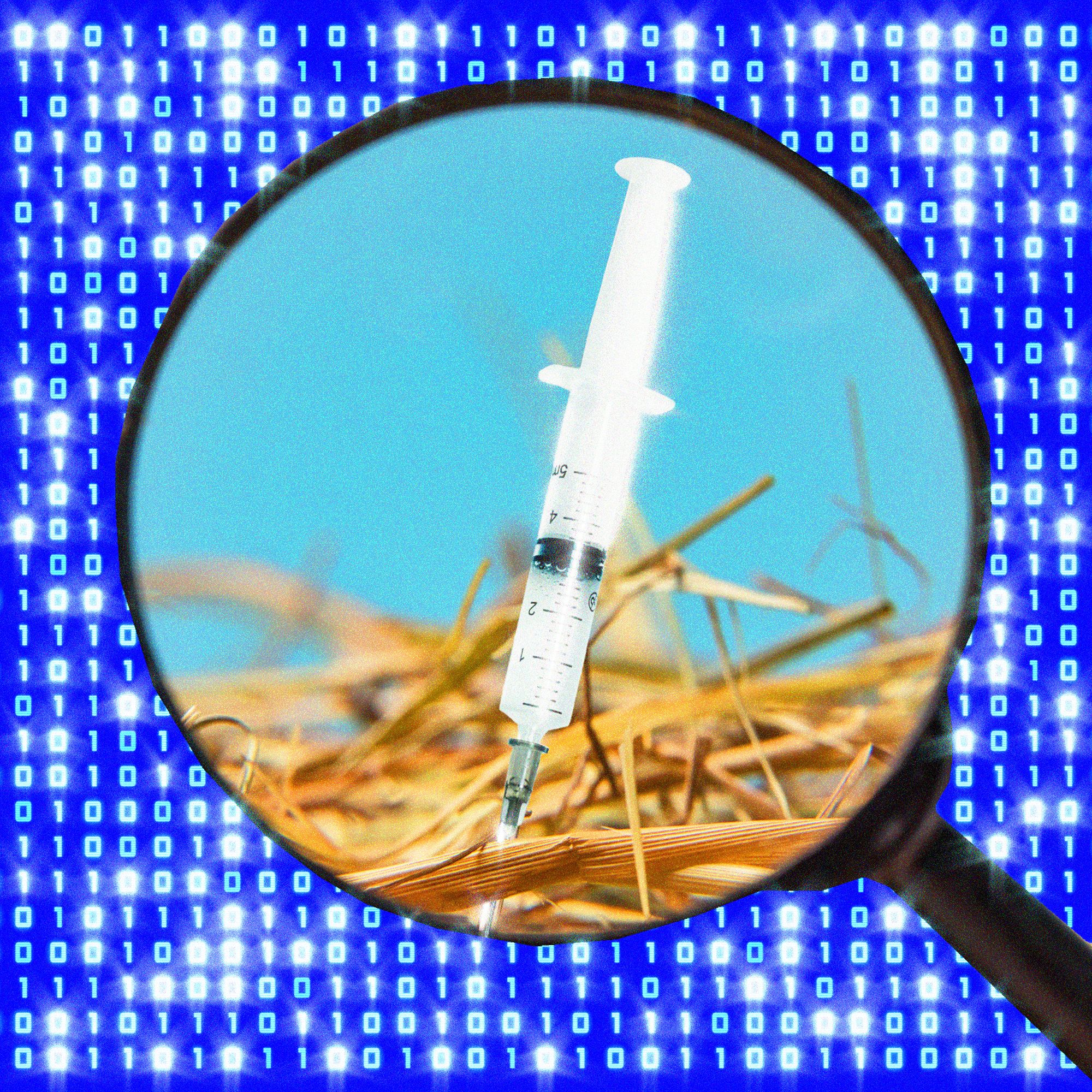
In a bustling office in London, Hatem Helal, founder and CEO of Potential Sciences, stands before a whiteboard filled with complex equations and diagrams. The atmosphere is charged with anticipation as he explains his vision for revolutionizing drug discovery through artificial intelligence. This ambitious startup, launched on November 5, aims to transform the laborious process of drug design, traditionally fraught with inefficiencies, into a streamlined, data-driven endeavor. By leveraging the principles of physics to simulate molecular interactions, Potential Sciences believes it can identify promising drug candidates faster and more accurately than ever before.
Potential Sciences is not merely another tech startup; it represents a significant leap in the quest for efficient drug development. The company has secured seed funding in the tens of millions of dollars from notable investors, including SovAI, the UK government's AI venture capital fund, and Twin Path Ventures. Although the exact figures remain undisclosed, the backing from SovAI underscores the British government's commitment to fostering innovation in the AI sector. This funding will enable Potential Sciences to harness the power of AI to build expansive chemical datasets, thereby enhancing the predictive capabilities of its models.
At the core of Potential Sciences' mission is the desire to expedite the drug discovery process. Helal articulates this vision clearly: “We want molecules that are never going to work in the clinic to fail fast.” By focusing on predicting how drug candidates will behave in human biology, the startup aims to eliminate the costly and time-consuming lab experiments that often yield disappointing results. This approach could not only accelerate the development of new treatments but also make it economically feasible for pharmaceutical companies to explore drugs for rare diseases that have long been neglected.
As the landscape of drug discovery evolves, the question remains: can Potential Sciences deliver on its ambitious promises? The company's success hinges on its ability to accurately predict how well drug candidates will interact with disease-related proteins. As Peter Wolynes, a chemistry professor at Rice University, puts it, “I’m sure it will be an improvement,” but he cautions that the current state of protein engineering is still rudimentary. The challenge lies in bridging the gap between theoretical simulations and practical applications in drug development.
The implications of Potential Sciences' work extend beyond the confines of the laboratory. If successful, the startup could usher in a new era of personalized medicine, where treatments are tailored to the unique biological makeup of individual patients. This vision resonates deeply within communities that have long awaited breakthroughs in the treatment of rare diseases. Families affected by such conditions often face a daunting journey, marked by limited options and high costs. The promise of bespoke treatments could bring hope to those who have felt overlooked by the pharmaceutical industry.
Moreover, the potential for reduced costs in drug development could lead to more accessible treatments for a broader range of diseases. Helal’s assertion that “medicines can be one-off molecular combinations” speaks to a future where patients receive targeted therapies designed specifically for their ailments. This shift could fundamentally alter the dynamics of healthcare, making it more responsive to individual needs and less reliant on one-size-fits-all solutions.
The local impact of Potential Sciences is already being felt as it draws attention from the scientific community and investors alike. The startup's innovative approach has sparked interest among academics, with figures like Alan Fersht, an emeritus professor of chemistry at the University of Cambridge, expressing optimism about the potential for simulation-based drug discovery. “If we could calculate accurately the interactions between all molecules in the cell,” he notes, “that would indeed revolutionize drug development.” Such endorsements not only validate Potential Sciences’ mission but also foster a sense of collaboration within the scientific community.
As Potential Sciences forges ahead, it faces a landscape filled with both opportunities and challenges. The crowded market for AI-driven drug discovery means that the startup must differentiate itself from competitors who are pursuing similar goals. Despite the advantages afforded by its government backing, the startup will need to demonstrate tangible results to gain a foothold in the industry. The need for robust predictive models and extensive datasets will be paramount as the company seeks to establish its credibility.
Moreover, the journey from theory to practice is fraught with hurdles. While AI can expedite the identification of promising drug candidates, it does not eliminate the lengthy and costly processes of testing for safety and efficacy. Wolynes emphasizes that the real challenge lies not in designing drugs but in understanding their effects on living organisms. “The cost of designing a drug is nothing compared to figuring out what it will do to mice, to really sick patients, to normal people,” he explains. This reality underscores the importance of a comprehensive approach to drug development that balances AI advancements with traditional testing methods.
The rapid advancement of AI in drug discovery also raises ethical questions that Potential Sciences must navigate. The potential for misuse of technologies designed to identify effective treatments poses a significant concern. Helal acknowledges this risk, stating, “If we can design tools that perfectly minimize toxicity, it’s a bit flip to maximize it as well.” As the startup develops its models and technologies, it must remain vigilant about the implications of its work and consider safeguards to prevent harmful applications.
Furthermore, the startup has yet to finalize its revenue model, raising questions about the sustainability of its operations. The decision to make its models freely available or to implement restrictions will shape the future of its contributions to the field. As Helal reflects on the challenges ahead, he remains steadfast in his belief that addressing the complexities of drug discovery with AI is a noble pursuit. “It’s a fundamental, high-impact problem for us to try and solve,” he asserts, underscoring the significance of the work at hand.
In conclusion, Potential Sciences stands at the forefront of a transformative movement in drug discovery, harnessing the power of artificial intelligence to streamline a historically arduous process. With a vision that prioritizes personalized medicine and the development of targeted treatments, the startup has the potential to make a profound impact on healthcare. As it navigates the challenges of a competitive landscape and addresses ethical considerations, the success of Potential Sciences could herald a new era of innovation in the pharmaceutical industry. For communities yearning for breakthroughs in treatment options, the promise of AI-driven drug discovery offers a glimmer of hope for a healthier future.
By Marcus Chen

By Marcus Chen

By Katherine Langford

By Marcus Chen