
Business
Live: Two Sigma, Top Money Managers Speak at HK Investment Summit Day 2
By Katherine Langford
Advertisement · Why this ad?
Marcus manages the day-to-day editorial workflow across all brands, coordinating coverage assignments and ensuring editorial standards are met. He previously served as city editor at the Pioneer Press and holds a degree in Political Science from Carleton College.
More from Marcus →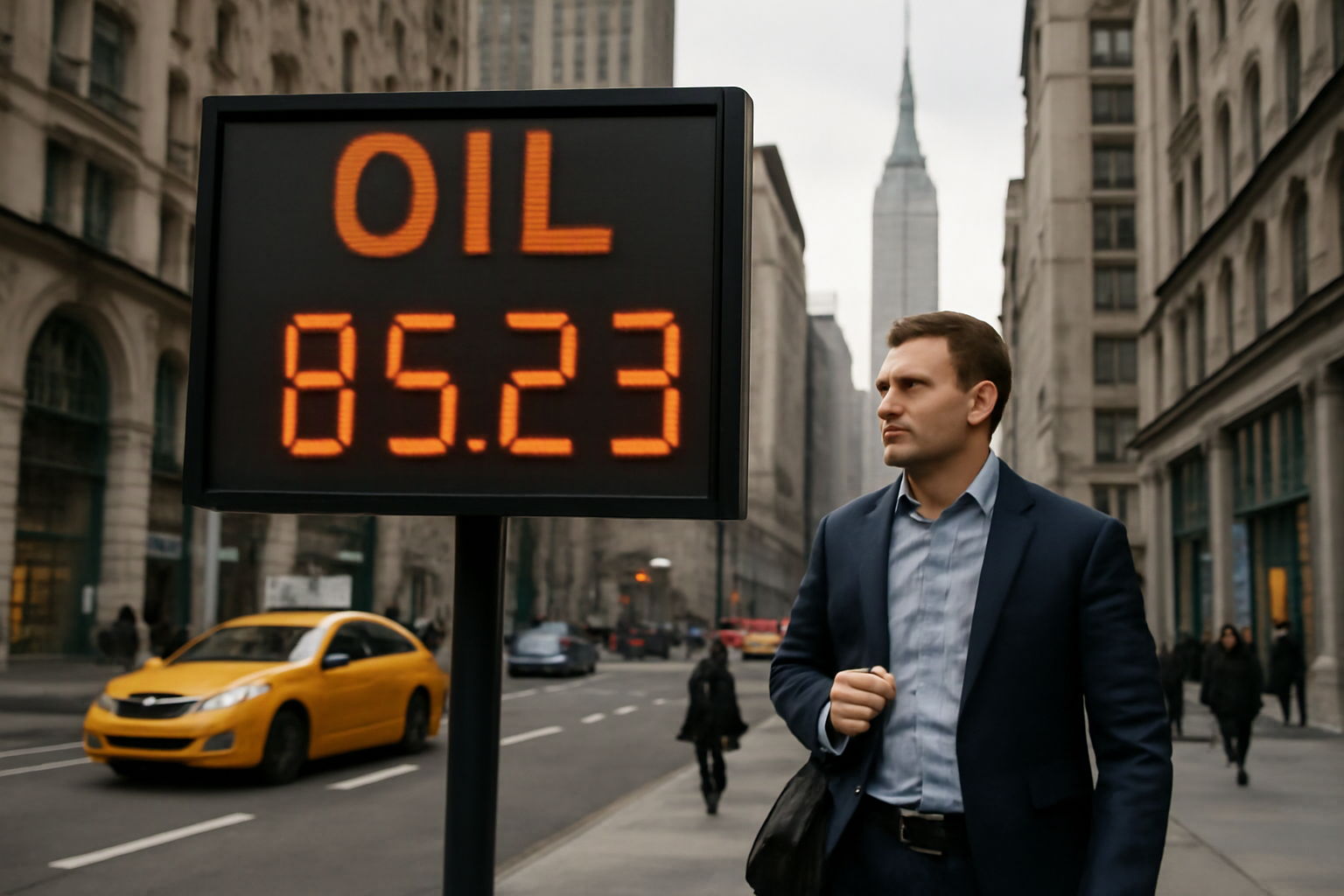
As the sun dipped below the horizon on a crisp November evening in New York City, traders were glued to their screens, weighing the latest developments in the oil market. On November 4, oil prices edged higher after a two-day decline, reflecting the complex interplay of geopolitical tensions and economic indicators that have come to define the current landscape. The ongoing conflict between the U.S. and Iran, coupled with fluctuating peace negotiations, has left investors on edge.
Oil prices saw a modest uptick on November 4, following a two-day slump that had traders concerned about the market's stability. The rise in prices comes as traders analyze the potential impacts of the U.S.-Iran war on global oil supplies. As the conflict continues to evolve, conflicting signals regarding peace talks have created uncertainty, prompting a cautious approach among market participants.
Despite the recent increase, the oil market remains highly volatile. Analysts are closely monitoring the developments in the Middle East, particularly the ongoing negotiations aimed at de-escalating tensions. The potential for a resolution could significantly influence oil prices, as any stability in the region is likely to lead to increased production and supply.
The recent fluctuations in oil prices underscore the delicate balance that traders must navigate. As of November 4, West Texas Intermediate (WTI) crude oil was trading at approximately $83 per barrel, up from a low of $80 earlier in the week. This increase, though modest, reflects a broader trend of cautious optimism among traders as they digest the latest news from the region.
Market analysts are divided on the potential trajectory of oil prices in the coming weeks. Some believe that a successful resolution to the U.S.-Iran conflict could lead to a significant drop in prices, while others caution that ongoing geopolitical tensions may keep prices elevated. The International Energy Agency (IEA) has indicated that global oil demand is expected to rise, further complicating the outlook.
The ongoing U.S.-Iran conflict has far-reaching implications for the oil market. Iran, a major oil producer, has been under strict sanctions from the U.S., limiting its ability to export oil. Any escalation in hostilities could lead to further disruptions in supply, driving prices higher. Conversely, a peaceful resolution could open the floodgates for Iranian oil to re-enter the global market.
Traders are acutely aware of the potential impact of these geopolitical developments. The market's reaction to news from the region is often swift and pronounced. For instance, any announcements regarding peace talks or military actions can lead to immediate price fluctuations, underscoring the volatility that characterizes the oil market.
The implications of rising oil prices extend beyond Wall Street. For everyday New Yorkers, higher oil prices can translate into increased costs for transportation, heating, and goods. As oil prices rise, so too do the costs of gasoline and heating oil, putting pressure on household budgets.
Local businesses that rely on transportation and fuel are particularly vulnerable to these price hikes. Small businesses, in particular, may struggle to absorb the increased costs, which could lead to higher prices for consumers. The ripple effects of oil price fluctuations can be felt throughout the economy, impacting everything from grocery bills to utility costs.
Moreover, communities in New York City that are already facing economic challenges may find themselves further burdened by rising energy costs. For instance, lower-income neighborhoods often have less access to public transportation, making them more reliant on personal vehicles for commuting. As gas prices climb, these residents may need to make difficult choices between commuting costs and other essential expenses, such as food and healthcare.
Local advocacy groups are already voicing concerns about the impact of rising oil prices on vulnerable populations. Organizations like the New York City Coalition Against Hunger are urging city officials to consider how energy costs affect food insecurity. As oil prices rise, transportation and distribution costs for food also increase, potentially leading to higher prices at the grocery store.
The impact of rising oil prices is not just an economic issue; it is a social concern that affects the quality of life for many New Yorkers. Community leaders, such as City Council members and local activists, are calling for more robust policies to protect low-income residents from the shock of rising energy costs. Initiatives aimed at energy efficiency and support for public transportation are being discussed as potential solutions.
Looking ahead, traders and analysts will continue to monitor developments in the U.S.-Iran conflict and their potential impact on oil prices. The upcoming weeks will be critical as negotiations unfold and market participants react to new information. The volatility of the oil market means that prices could shift rapidly based on geopolitical developments.
In addition to geopolitical factors, economic indicators such as inventory levels and demand forecasts will play a significant role in shaping the market's direction. The Energy Information Administration (EIA) is expected to release its weekly inventory report soon, which could provide additional insights into the state of the oil market.
As the situation evolves, traders are urged to remain vigilant and informed. The oil market's interconnectedness means that developments in one region can have far-reaching consequences, making it essential for participants to stay abreast of the latest news and trends.
Understanding the current oil market dynamics also requires looking at broader economic indicators. Inflation rates, employment figures, and consumer confidence all play a role in shaping demand for oil. For instance, as inflation rises, consumers may cut back on discretionary spending, which could lead to a decrease in demand for gasoline and other oil products.
Additionally, the ongoing transition to renewable energy sources is reshaping the landscape for oil demand. As more consumers and businesses invest in electric vehicles and alternative energy solutions, the long-term demand for oil may face downward pressure. However, in the short term, geopolitical tensions can create a counterbalancing effect, as immediate needs for oil surge during crises.
In New York City, initiatives aimed at promoting sustainability and reducing reliance on fossil fuels are gaining traction. City officials have launched programs to incentivize the use of electric vehicles and public transportation, which may help mitigate some of the impacts of rising oil prices in the long run. However, these transitions take time, and many residents remain dependent on traditional fuel sources for their daily needs.
As the city continues to grapple with the consequences of fluctuating oil prices, community forums are being organized to discuss strategies for resilience. These gatherings serve as a platform for residents to voice their concerns and for policymakers to outline potential measures to alleviate the financial burdens of rising energy costs. The outcomes of these discussions could influence future city policies and initiatives aimed at protecting vulnerable populations.
By Katherine Langford

By Marcus Chen

By Marcus Chen

By Marcus Chen