
Technology
N-able takes its remote access service offline after researcher publishes dozens of zero-day bugs
By Marcus Chen
Advertisement · Why this ad?
Marcus manages the day-to-day editorial workflow across all brands, coordinating coverage assignments and ensuring editorial standards are met. He previously served as city editor at the Pioneer Press and holds a degree in Political Science from Carleton College.
More from Marcus →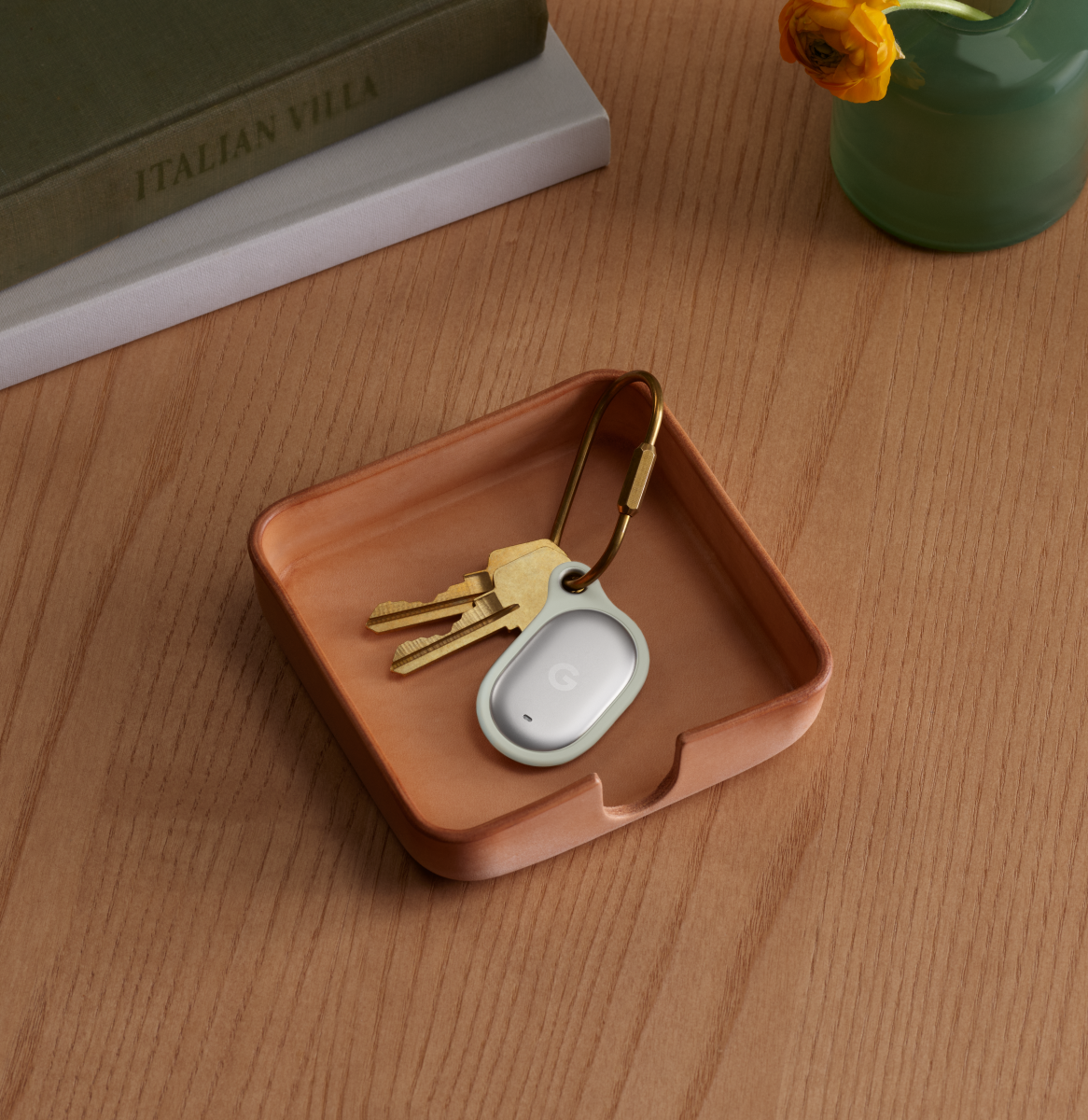
Google’s answer to Apple’s AirTag, the Google Pixel Tag , goes on sale starting Tuesday, allowing Android users to track items like their keys, wallet, or bag using their smartphone’s built-in Find Hub. First announced in August , the $29.99 device takes cues from the AirTag and other lost-item finders by offering connectivity via Bluetooth and ultra-wideband for precision finding. This lets Android device owners, including Pixel Watch wearers, locate their missing items using a combination of visual distance and directional guidance. Plus, the tag has a built-in speaker to play a chime that helps you locate your item if nearby. (Or, if you’ve lost your phone, you can press the button on the Pixel Tag twice to ring it, too.) You can choose between three different levels of loudness in the settings within the Find Hub, with the maximum volume around 80 decibels. Though the Pixel Tag serves the same purpose as an AirTag, Google has opted for a different design. Instead of a small, round device, like Apple’s, the Pixel Tag is slimmer and more elongated. Spec-by-spec, the Pixel Tag is 1.1-inches wide, compared to the AirTag’s 1.26 inches. As the Pixel Tag is oval-shaped, it’s 1.8-inches high from top to bottom. Thickness-wise, the Pixel Tag clocks in at a depth of 0.2 inches, compared with the AirTag’s 0.31 inches (which Apple calls its height). The slimness of the device might make it more appealing for some, particularly if they’re adding the tag to a small item, like a keychain. The device weighs just 0.4 oz, with the battery included. Unlike Apple, Google opted for a physical button you can press on the tag, which makes it more obvious how it’s meant to work. However, the Pixel Tag doesn’t include NFC, which Apple’s AirTag uses to aid the people who find lost items, as they can tap the side of the tag to launch a webpage that displays the owner’s contact information. Instead, for lost items that are not nearby, the Pixel Tag relies on Google’s crowdsourced network of over a billion Android devices globally. The network, similar to competitive offerings from Apple and Tile, taps into the connectivity provided by other Android devices, which can identify and share the location of the lost item back to its owner. This location information is displayed on a map inside the Find Hub app. While the person who found the item can’t tap it, as with NFC-enabled devices, Pixel Tags that are put into “Lost” mode will be able to share the owner’s email, number, and a short message so the person who finds the tag can contact you. When the tag comes back into range of the user’s phone, the item is automatically marked as found. The Pixel Tag’s location can also be shared with up to 10 people in the Find Hub app, which could be useful for shared items like the family car keys, which multiple people might rely on. Like AirTag, the Pixel Tag is also powered by a user-replaceable coin cell battery (the CR2032), which makes the device reusable for the long term. (Google claims the device has up to one year of battery life to start.) Meanwhile, the device itself is made from stainless steel and features IP67 water and dust resistance (maximum depth of 1 meter up to 30 minutes). It pairs with devices running Android 9 or newer via Fast Pair technology. The Pixel Tag comes in two shades: silver and a pale green, and can be bought individually or in a four-pack for $99.99. Alongside the launch, the company Bellroy is debuting its own keychain cases in a variety of colors and styles, which will also be sold on the Google Store. Topics Android , Gadgets , Google , Hardware , hardware , PIXEL , TC When you purchase through links in our articles, we may earn a small commission . This doesn’t affect our editorial independence. Sarah Perez Consumer News Editor Sarah has worked as a reporter for TechCrunch since August 2011. She joined the company after having previously spent over three years at ReadWriteWeb. Prior to her work as a reporter, Sarah worked in I.T. across a number of industries, including banking, retail and software. You can contact or verify outreach from Sarah by emailing [email protected] or via encrypted message at sarahperez.01 on Signal. View Bio 2027 San Francisco Get an Early Peek at the Next TechCrunch Disrupt Disrupt, Startup Battlefield, and more will return next year, and you can be at the front of the line. Sign up for our waitlist Register Now Most Popular Jensen Huang’s alleged honeypot scandal has inspired some top-notch memes Dominic-Madori Davis Lucas Ropek Musk says Tesla will refund some Cybertruck deposits, defends decision to end production Kirsten Korosec Tesla will stop making the Cybertruck in 2027 Sean O'Kane Claude can now analyze your spending with its new Personal Finance tool Aisha Malik Harbinger raises $240M after expanding into defense Sean O'Kane Almost no one uses AI agents to book their Uber, company says Sarah Perez Meta acquires AI coding startup Conductor Lucas Ropek
By Marcus Chen

By Katherine Langford

By Marcus Chen

By Marcus Chen